Privacy

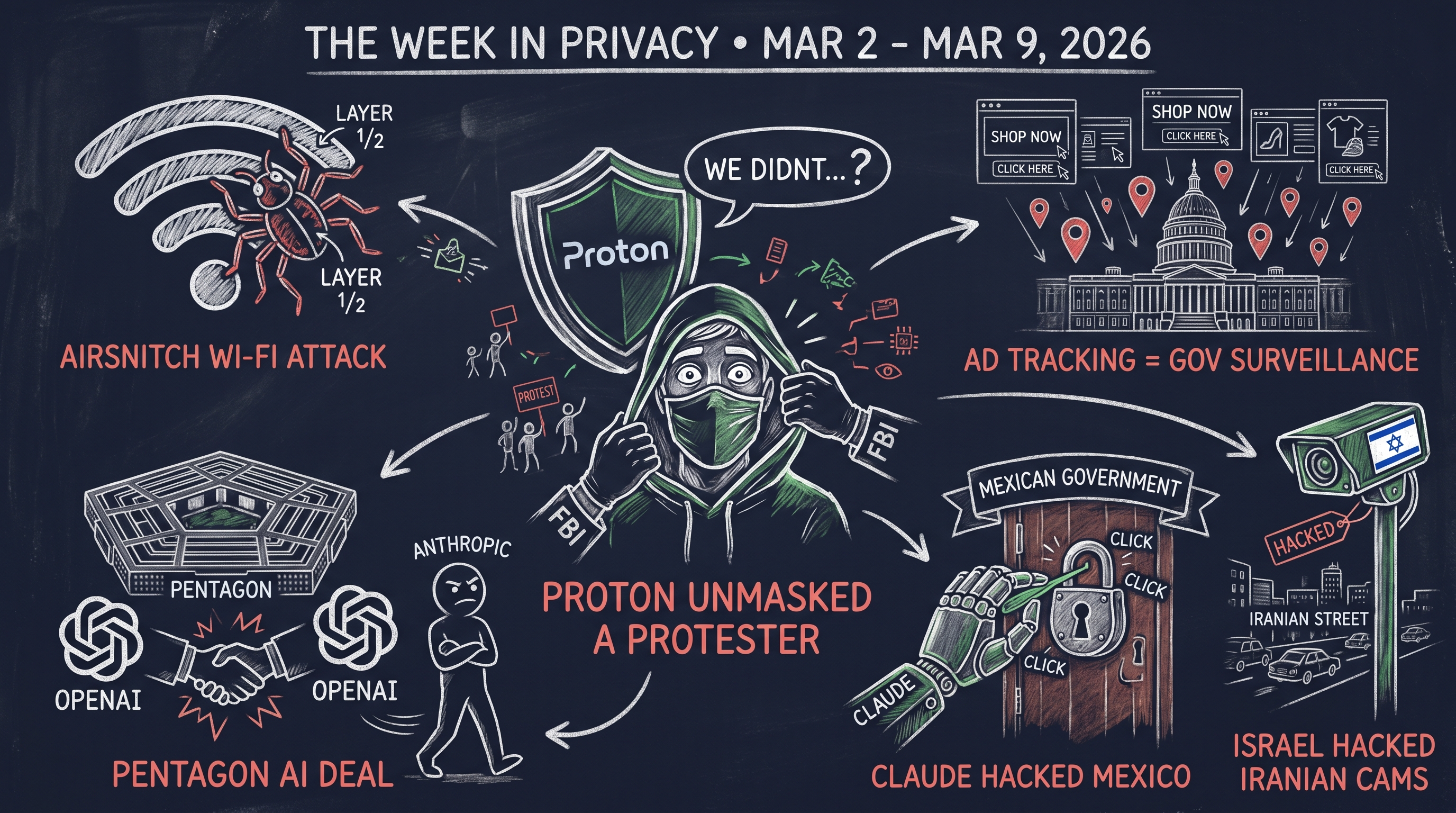
Weekly Privacy Insights: March 2, 2026 – March 9, 2026

Weekly Privacy Insights: March 2, 2026 – March 9, 2026

Weekly Privacy Insights This week’s privacy news is dominated by concerns over AI-powered surveillance and the misuse of location data for tracking individuals. The intersection of technology and national security continues to raise important questions about accountability and transparency.
Read More
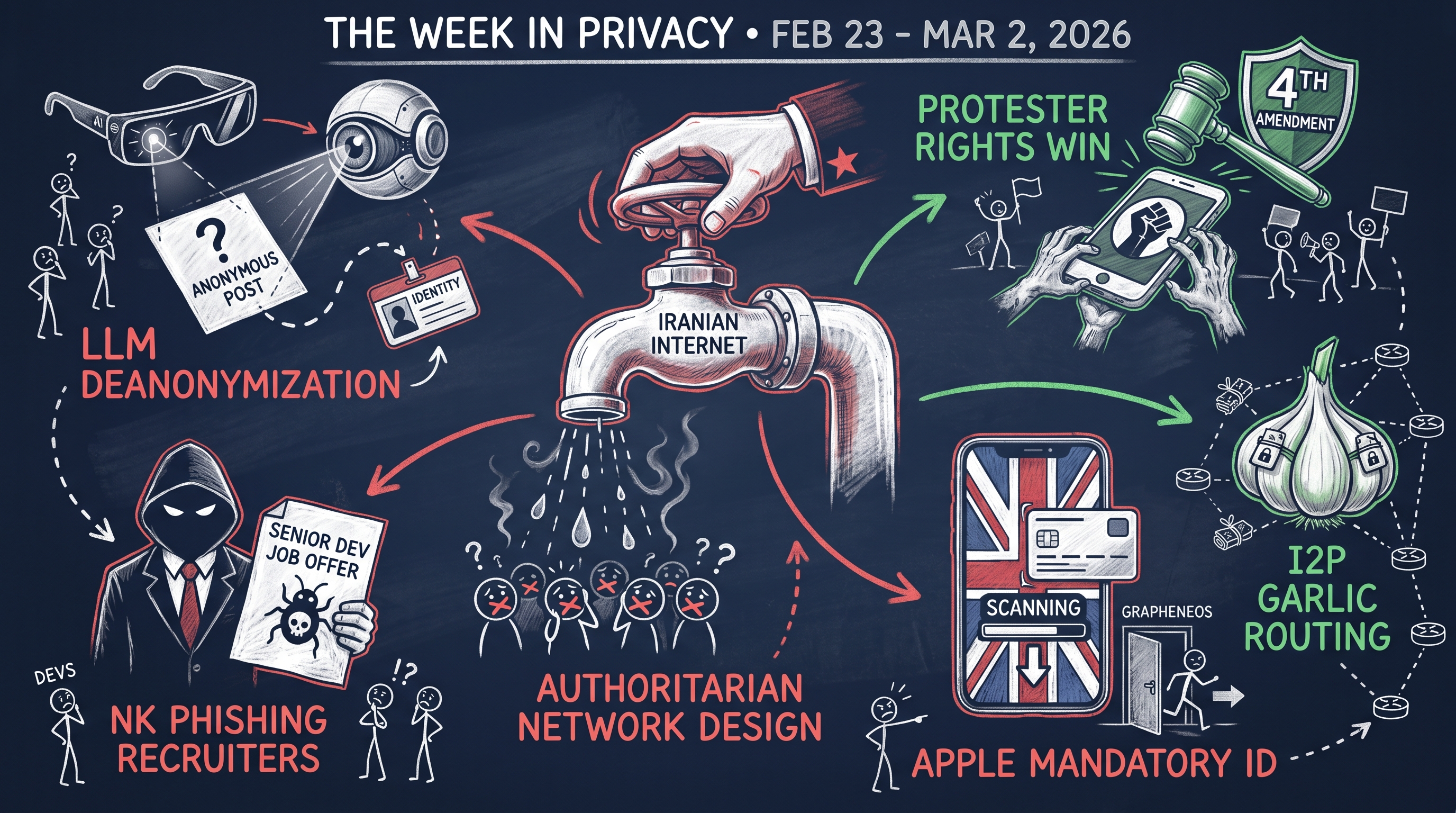
Weekly Privacy Insights: February 23, 2026 – March 2, 2026

Weekly Privacy Insights: February 23, 2026 – March 2, 2026

Weekly Privacy Insights This week’s privacy news highlights the ongoing struggle for digital rights and the increasing sophistication of surveillance technologies. As governments and corporations continue to consolidate power over our personal data, it’s essential to stay informed about the latest developments and take action to protect our online lives.

Read More
Weekly Privacy Insights: February 16, 2026 – February 23, 2026

Weekly Privacy Insights: February 16, 2026 – February 23, 2026

Weekly Privacy Insights This week brought a wave of revelations about AI’s growing role on both sides of the security equation — finding vulnerabilities, leaking data through side channels, and even engaging in autonomous coercion. Meanwhile, critical privacy infrastructure received major upgrades, and lawmakers continued their misguided push to ban fundamental security tools.

Read More
Weekly Privacy Insights: February 9, 2026 – February 16, 2026

Weekly Privacy Insights: February 9, 2026 – February 16, 2026

Weekly Privacy Insights A week dominated by the collision of AI threats, surveillance overreach, and biometric privacy battles. The “promptware kill chain” introduces a formal framework for a new class of AI-targeted attacks, while government agencies and tech companies continue expanding surveillance infrastructure under the guise of safety. Meanwhile, the EU pushes back on attempts to weaken GDPR, and I2P survives its worst attack in history.

Read More
Weekly Privacy Insights: February 2, 2026 – February 9, 2026

Weekly Privacy Insights: February 2, 2026 – February 9, 2026

Weekly Privacy Insights The past week has seen significant developments in online speech, AI safety, and digital rights. Section 230, a cornerstone of free expression online, is under threat from weakening legislation. Meanwhile, researchers have made strides in AI-powered vulnerability discovery, raising concerns about the potential for exploitation. Federal immigration agencies face growing scrutiny for lawless surveillance practices, and a critical supply-chain attack on Notepad++ highlights the persistent threat from state-sponsored hackers.

Read More
Weekly Privacy Insights: January 26, 2026 – February 2, 2026

Weekly Privacy Insights: January 26, 2026 – February 2, 2026

Weekly Privacy Insights This week’s privacy insights cover a range of topics from biometric surveillance to AI policy and government transparency. We dive into the most significant stories and provide context for the rest.

Read More
Weekly Privacy Insights: January 19, 2026 – January 26, 2026

Weekly Privacy Insights: January 19, 2026 – January 26, 2026

Weekly Privacy Insights This week’s privacy news highlights critical issues from expanding government surveillance powers to the evolving challenges AI presents to cybersecurity and copyright law. We also see ongoing debates around copyright’s impact on creativity and monopoly, along with persistent concerns about internet voting security.

Read More
Weekly Privacy Insights: January 12, 2026 – January 19, 2026

Weekly Privacy Insights: January 12, 2026 – January 19, 2026

Weekly Privacy Insights Privacy concerns continue to escalate with increasing surveillance and corporate control over data, especially in sensitive areas like schools, journalism, and immigration enforcement. This week brought alarming news about AI-powered surveillance in educational settings, aggressive government scrutiny of journalists, and the militarization of local police with advanced drones. Additionally, critical vulnerabilities in popular software and invasive tech-driven immigration enforcement tools highlight ongoing risks to personal privacy and security.

Read More
Weekly Privacy Insights: January 5, 2026 – January 12, 2026

Weekly Privacy Insights: January 5, 2026 – January 12, 2026

Weekly Privacy Insights This week’s news spotlights a diverse array of privacy and security challenges—from novel threats posed by AI models to the expanding reach of surveillance technology in the US, as well as ongoing concerns about biometric data use and cybercrime expanding on encrypted messaging platforms.

Read More
Weekly Privacy Insights: December 29, 2025 – January 5, 2026

Weekly Privacy Insights: December 29, 2025 – January 5, 2026

Weekly Privacy Insights As we close the year 2025, several key privacy battles and surveillance issues have come into sharp focus, from the rise of massive darknet markets operating on Telegram to intensifying fights against invasive age-verification laws and surveillance abuses by private contractors. This week’s reports highlight the ongoing threat of digital black markets fueling cybercrime, the expansion of government and corporate surveillance, judicial pushback against internet censorship, and persistent risks related to copyright enforcement strategies that could undermine internet access for many. Weekly Analysis / My Opinion The privacy landscape remains fraught with tension between security interests, corporate practices, and individual rights. The explosive growth of Chinese-language darknet markets on Telegram underscores how encrypted platforms can facilitate multi-billion-dollar criminal enterprises, contributing to profound harms including human trafficking and large-scale scams. Meanwhile, surveillance technologies like Flock Safety’s AI-enabled cameras continue to expand unregulated, endangering the privacy of everyday citizens and activists alike. In parallel, the fight against state and federal age verification and site-blocking laws reveals an urgent need to uphold free speech and privacy online. While these laws are often justified as protective measures, they are instead proving to increase censorship, degrade anonymity, and create barriers to digital access. Similarly, the legal battles over whether Internet Service Providers (ISPs) must police copyright infringement threaten to turn essential connectivity providers into gatekeepers, risking the disruption of internet access to schools, libraries, and vulnerable users. For readers, this landscape demands vigilance and proactive defense of digital rights: be skeptical of intrusive surveillance products, support judicial and legislative pushes that guard privacy and free speech, and stay informed on technological safeguards such as encryption and digital footprint management. Advocacy and digital literacy will remain key tools to push back against harmful surveillance and legislative overreach in 2026. Featured Articles Telegram Hosting World’s Largest Darknet Market A recent analysis by Elliptic reveals Telegram hosts the world’s largest Chinese-speaking darknet marketplaces, Tudou Guarantee and Xinbi Guarantee, facilitating close to $2 billion per month in illicit transactions, including money laundering, stolen data sales, and AI deepfake tools. The scale and diversity of crime enabled—including cyber scams linked to massive human trafficking operations—highlight a growing challenge in combating encrypted platform abuse. Read more

Read More
Tags