You Haven't Taken a Real Vacation in 3 Years
- Rob Pratt
- Automation , Construction , Business
- April 28, 2026
Table of Contents
You Haven’t Taken a Real Vacation in 3 Years
If every decision, quote, and client call goes through you — that’s not a business. That’s a trap.
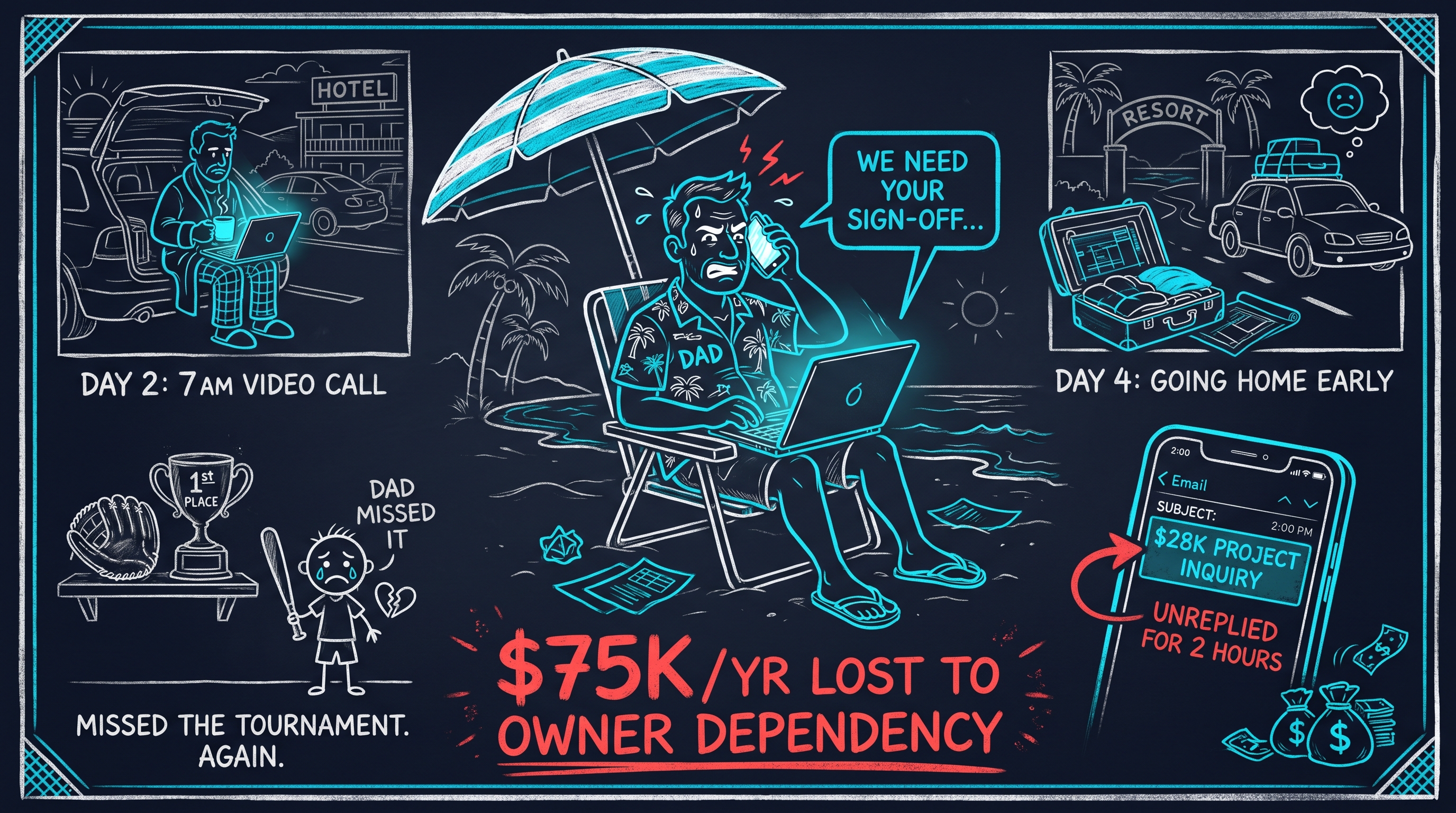
You finally agree to take the family to the beach for four days. You’ve been promising this trip since your youngest asked why you missed his baseball tournament. Twice.
Day one: You’re answering calls from the job site before the car is out of the driveway.
Day two: You’re sitting in the hotel parking lot at 7 AM on a video call because your crew can’t decide whether to proceed with the Hendersons’ deck framing without your sign-off.
Day three: A potential $28,000 client emails for a quote and your wife watches you disappear into the bathroom with your laptop for two hours.
Day four: You drive home a day early because something “came up.”
Sound familiar?
What This Is Actually Costing You
Set aside the family stuff for a second and just look at the numbers, because this isn’t just a lifestyle problem — it’s a structural business problem with a real dollar amount attached.
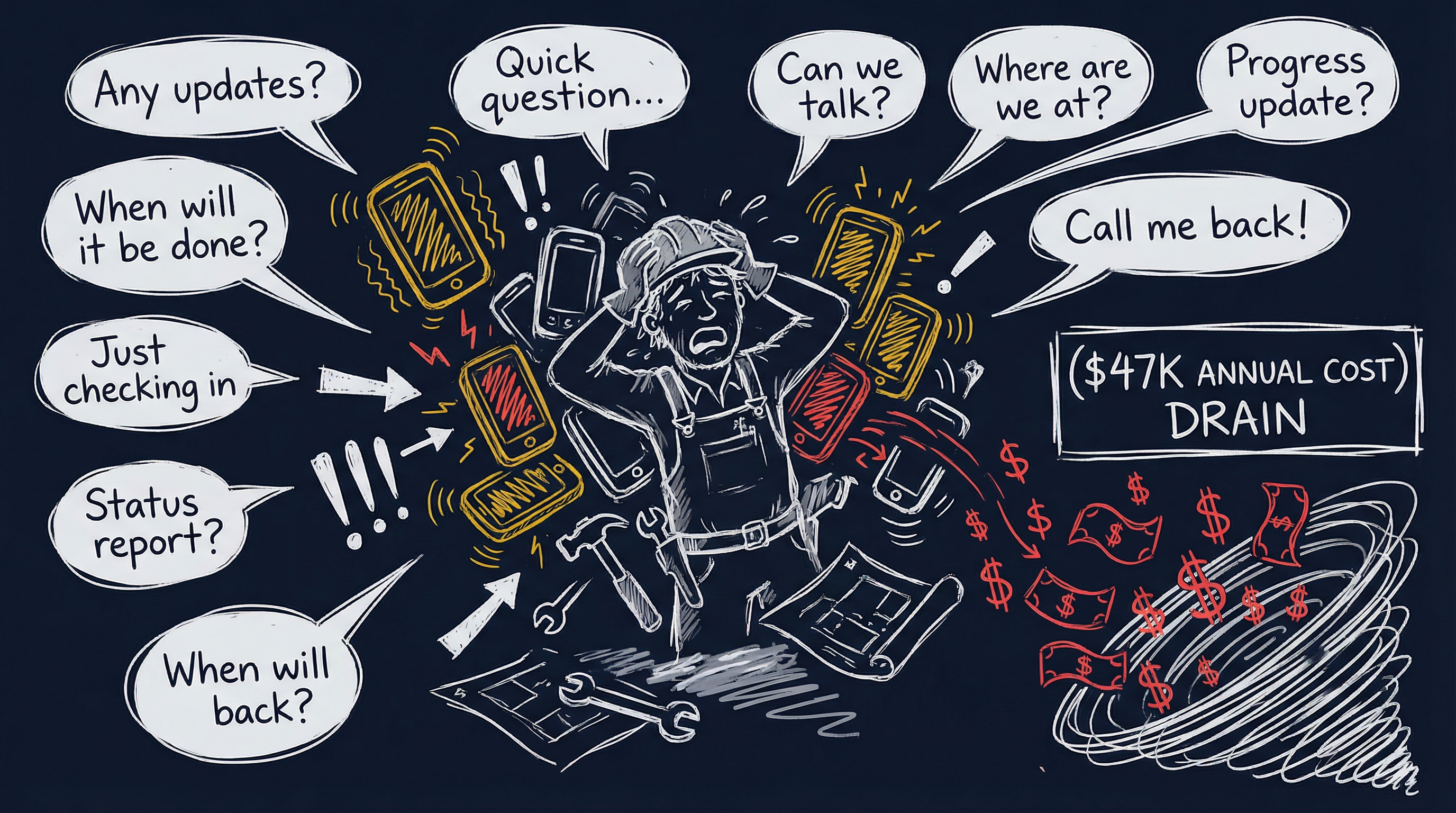
The average small construction company owner earning $75,000 a year spends roughly 60 hours a week working. Industry surveys consistently show 20+ of those hours go toward administrative tasks: answering the same questions, entering data, writing quotes from scratch, following up on leads manually, approving decisions that should never require the owner.
That’s $37,500 worth of your annual salary spent on work a well-built system could handle.
Now add what you’re losing while you’re stuck in the weeds:
- Missed bids: You can’t pursue larger contracts because you can’t free up estimating time. Conservative cost: $30,000-$60,000 in annual revenue left on the table.
- Slower growth: Every hire eventually reports to you anyway, because there’s no documented process for anything. You add headcount but not leverage.
- Zero exit value: A business where the owner IS the business has almost no resale value. You can’t exit what can’t run without you.
The total gap between what you have and what you could have? Easily $75,000 a year. Often more.
Two Types of Contractors
The “It’s Faster If I Just Do It” Owner: Every quote written by them. Every client who calls wants them specifically. Every crew decision escalates to them eventually.
They’ve tried hiring but found it “doesn’t really save me time because I still have to check everything.” They keep saying they’ll build out processes once things slow down — which they never do, because the business can’t grow past the capacity of one person. They haven’t taken a real vacation since 2021.
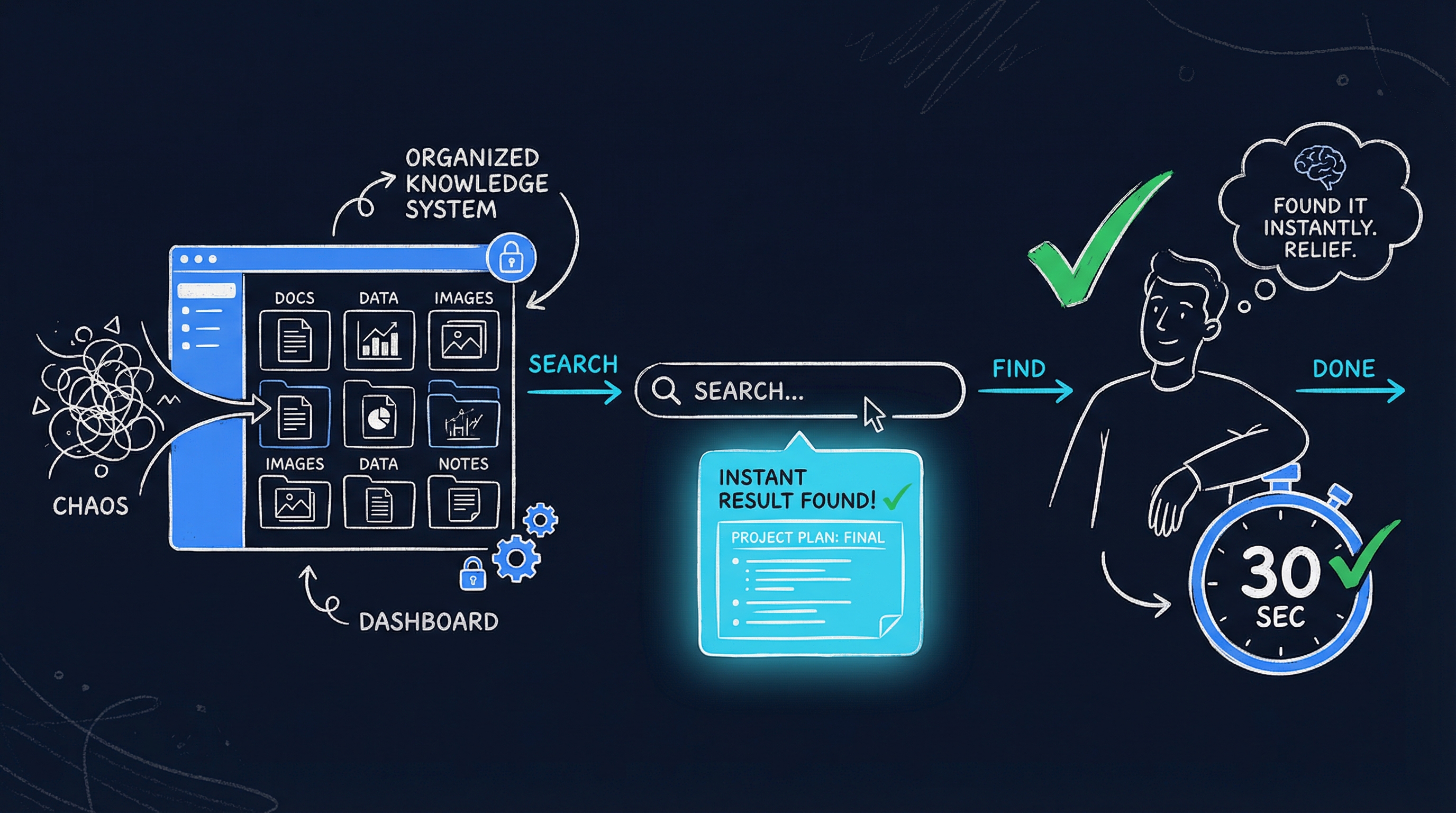
The Owner Who Built a Business Instead of a Job: They documented their processes once, built systems around them, and now the business runs a defined playbook whether they’re on-site or on a beach.
New leads get responded to immediately — without the owner touching it. Routine quotes get generated with the owner reviewing, not building from scratch. The crew has clear decision trees for the calls that used to come to the owner’s cell at 6:45 AM.
They’re not doing less work. They’re doing different work — the high-leverage work that actually grows the business. And they took 10 days in Florida last January.
Next: How Smart Contractors Built a Business That Runs Without Them - The systems that break the owner-dependency cycle.
P.S. — If you looked at your last three years and realized you’ve been building a job instead of a business, the first step is figuring out exactly where you’re the bottleneck. Book a 60-minute Strategy Session and we’ll map it out together. $150, credited toward implementation.
AIL-3 | AI Transparency: This article was drafted with AI assistance and reviewed, edited, and approved by the author. All recommendations are based on 20 years of experience in the roofing and construction industry.