Table of Contents
Weekly Privacy Insights
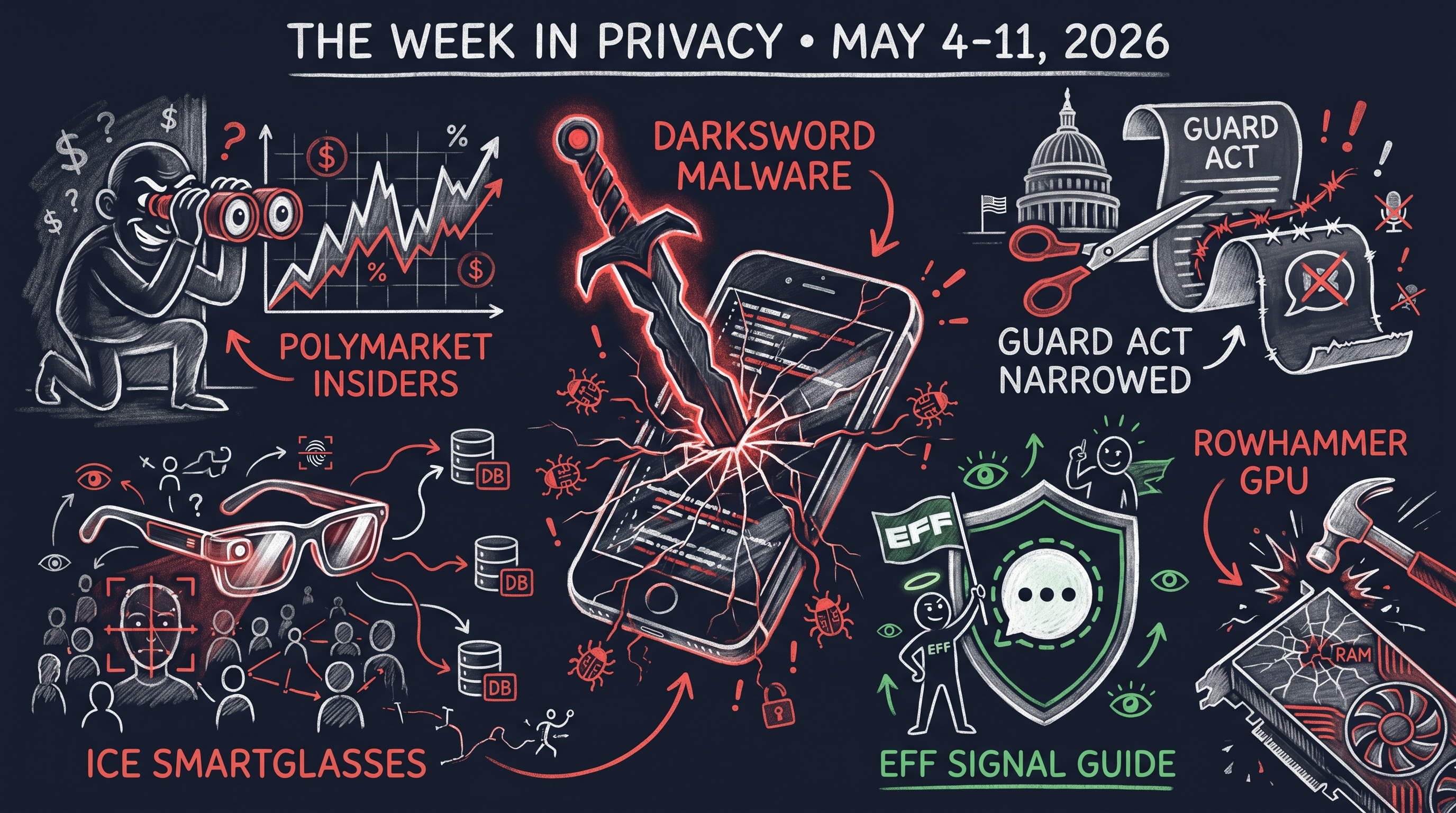
This week’s privacy news is dominated by concerns over AI-generated vulnerabilities, social media regulation, and encryption. As we navigate the complex landscape of digital rights, it’s essential to stay informed about the latest developments.
Weekly Analysis / My Opinion
The rise of AI-generated vulnerabilities poses a significant threat to cybersecurity. While these models can help identify weaknesses in software, they also create new risks for exploitation. It’s crucial that developers and policymakers work together to establish guidelines for responsible AI development and deployment. Additionally, the push for social media regulation raises important questions about free speech and online safety. As we advocate for stronger privacy laws, it’s essential to balance individual rights with the need for accountability in the digital sphere.
Featured Articles
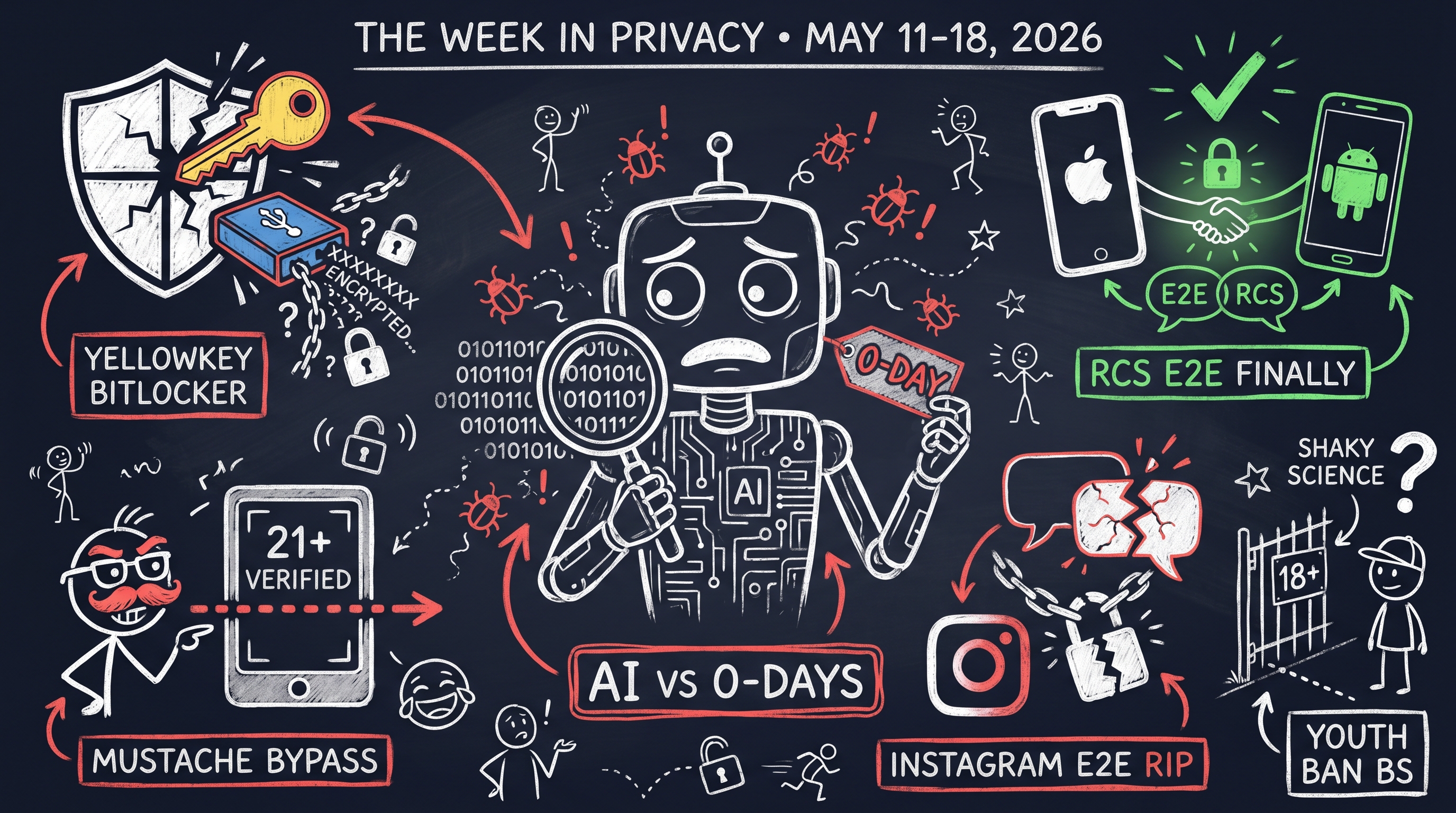
Zero-Day Exploit Against Windows BitLocker: A recent zero-day exploit against Windows BitLocker has left many organizations vulnerable to data breaches. The attack, known as YellowKey, requires physical access to the computer but can bypass default encryption protections. Read more
How Dangerous Is Anthropic’s Mythos AI?: The release of Anthropic’s Mythos AI has sparked concerns about the potential for AI-generated vulnerabilities. While the model is impressive, its limitations and risks should not be underestimated. Read more
OpenAI’s GPT-5.5 is as Good as Mythos at Finding Security Vulnerabilities: A recent evaluation by the UK’s AI Security Institute found that OpenAI’s GPT-5.5 is comparable to Claude Mythos in identifying security vulnerabilities. This raises important questions about the potential for AI-generated attacks. Read more
Victory! End-to-End Encrypted RCS Comes to Apple and Android Chats: After years of development, end-to-end encrypted RCS messaging is finally available on both Apple and Android devices. This is a significant step forward for online privacy and security. Read more
Additional Highlights
Bypassing On-Camera Age-Verification Checks: Researchers have found that some AI-based video age-verification checks can be fooled with a fake mustache. Read more
The Science is Not Settled: How Weak Evidence is Fueling a National Push to Ban Social Media for Youth: A recent wave of bills aimed at regulating social media access for young people relies on shaky science and flawed studies. Read more
Broken Promises: RIP Instagram’s End-to-End Encrypted DMs: Instagram has ended its opt-in end-to-end encrypted messaging feature, leaving users without a safe and secure way to communicate. Read more
EFF Launches New Offline Campaign for Saudi Wikipedian Osama Khalid: EFF is launching a new campaign to support the release of Saudi Wikipedian Osama Khalid, who was detained in 2020 for sharing information online that conflicted with official narratives. Read more
Help EFF Solve an Issue That’s Bigger than Creepy Ads: EFF is working to enact stronger laws and advocate for consumer rights in the courts to combat online tracking and government surveillance. Read more
Conclusion
This week’s privacy news highlights the importance of staying informed about the latest developments in digital rights. As we navigate the complex landscape of AI-generated vulnerabilities, social media regulation, and encryption, it’s essential to prioritize online safety and security. By working together, we can create a more private and secure online environment for all.
Weekly Privacy Insights is a curated digest of the most important privacy and digital rights news, published every Sunday on djeditech.com.
AIL-3 | AI Transparency: This digest is AI-assisted. Articles are aggregated from RSS feeds, ranked by source authority, and summarized using a local LLM (Ollama). All content is human-curated and reviewed before publication. Original reporting belongs to the linked authors and publications.