Weekly Privacy Insights: March 9, 2026 – March 16, 2026
- Rob Pratt
- Privacy , Weekly insights
- March 16, 2026
Table of Contents
Weekly Privacy Insights
The past week has seen significant developments in the realm of privacy, with various articles shedding light on emerging trends and concerns.
Weekly Analysis / My Opinion
One key trend that stands out is the increasing focus on AI development and its implications for society. With OpenAI’s ‘OpenAI for Countries’ initiative gaining momentum, it’s essential to consider the potential risks of relying on private companies for AI research. As highlighted in Canada Needs Nationalized, Public AI, Canada has a choice to make about its AI future, and it’s crucial to prioritize public interest over private gain.
Another pressing concern is the growing dependence on US-made technology, such as the F-35 fighter jet. As discussed in Jailbreaking the F-35 Fighter Jet, countries are becoming increasingly concerned about their dependencies on the US for software maintenance.
Featured Articles
Possible New Result in Quantum Factorization: A new result in factorization with a quantum computer has been reported, which could potentially improve the speed of factoring large numbers. However, as noted by Schneier, it’s essential to review and verify this result before drawing conclusions.
iPhones and iPads Approved for NATO Classified Data: Apple has announced that iPhones and iPads are now compliant with the information assurance requirements of NATO nations, enabling them to be used with classified information. This development highlights the growing importance of secure mobile devices in sensitive environments.
Canada Needs Nationalized, Public AI: As mentioned earlier, Canada is at a crossroads regarding its AI future. With OpenAI’s ‘OpenAI for Countries’ initiative gaining traction, it’s crucial to consider the potential risks and benefits of relying on private companies for AI research.
Additional Highlights
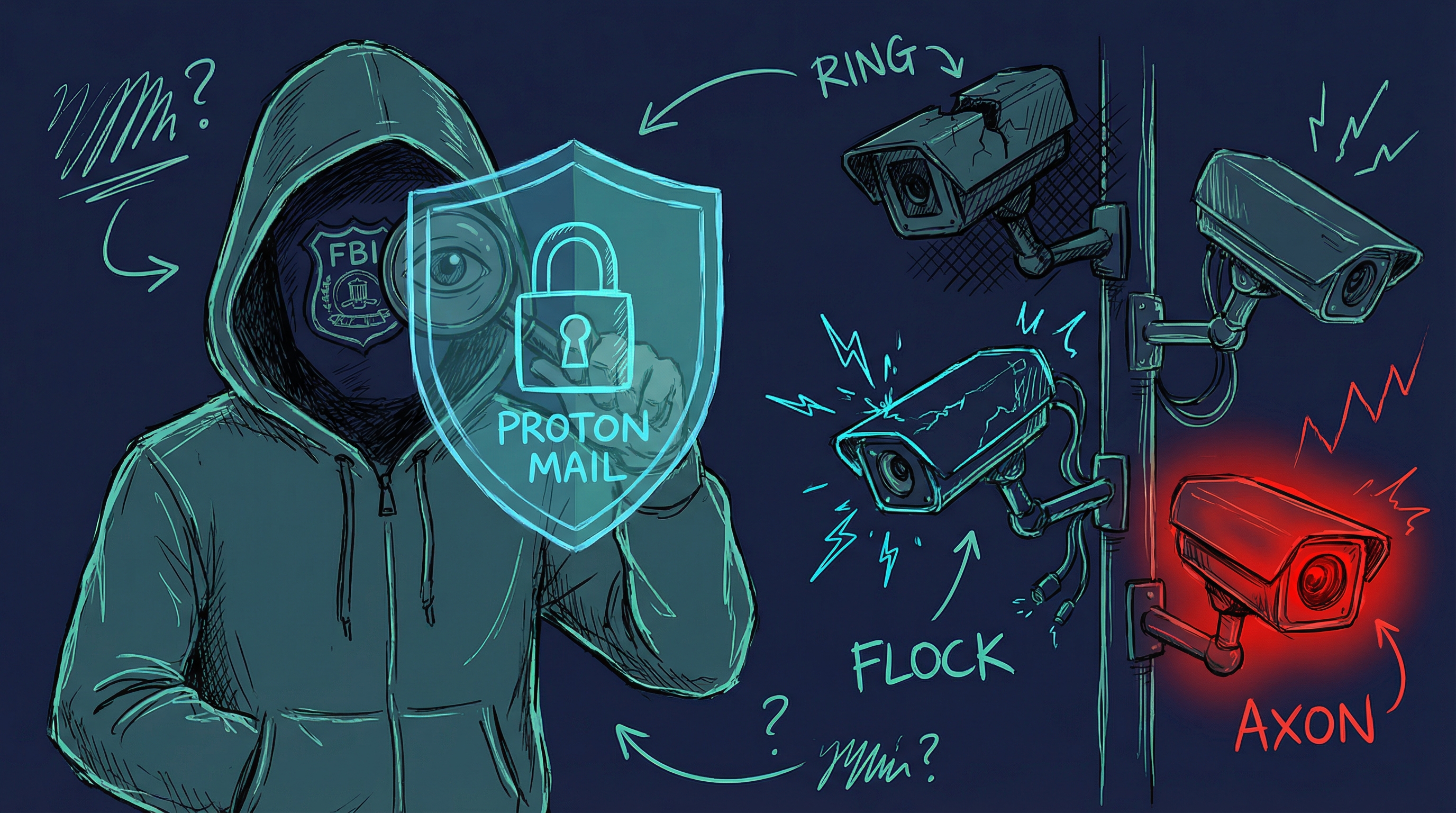
Ring Divorced Flock… Now they Spy with Axon: Amazon has canceled Ring’s partnership with Flock Safety, a surveillance company operating over 100,000 automated license plate reader cameras across 49 states. Read more
Academia and the “AI Brain Drain”: The growing trend of top technical talent moving from academia to industry has raised concerns about the impact on scientific research. Learn more
Crystal Lake Man Gets 8 Years for Dark Web Facebook Meth Sales: A man in Crystal Lake has been sentenced to 100 months in federal prison for selling meth on the dark web and advertising it on Facebook. Read more
New Attack Against Wi-Fi: A new attack called AirSnitch has been discovered, which exploits core features in Layers 1 and 2 of the Wi-Fi protocol. Read more
Proton Helped the FBI Unmask a Protester. Then Said They Didn’t: Proton has handed over user data in response to over 40,000 government orders since 2017, with a compliance rate of 94%. Read more
Conclusion
The past week has seen significant developments in the realm of privacy, highlighting the need for continued vigilance and awareness. As we move forward, it’s essential to prioritize public interest over private gain and ensure that emerging technologies are developed with transparency and accountability.
Weekly Privacy Insights is a curated digest of the most important privacy and digital rights news, published every Sunday on djeditech.com.
AIL-3 | AI Transparency: This digest is AI-assisted. Articles are aggregated from RSS feeds, ranked by source authority, and summarized using a local LLM (Ollama). All content is human-curated and reviewed before publication. Original reporting belongs to the linked authors and publications.