Table of Contents
Weekly Privacy Insights
The past week has seen significant developments in online speech, AI safety, and digital rights. Section 230, a cornerstone of free expression online, is under threat from weakening legislation. Meanwhile, researchers have made strides in AI-powered vulnerability discovery, raising concerns about the potential for exploitation. Federal immigration agencies face growing scrutiny for lawless surveillance practices, and a critical supply-chain attack on Notepad++ highlights the persistent threat from state-sponsored hackers.
Weekly Analysis
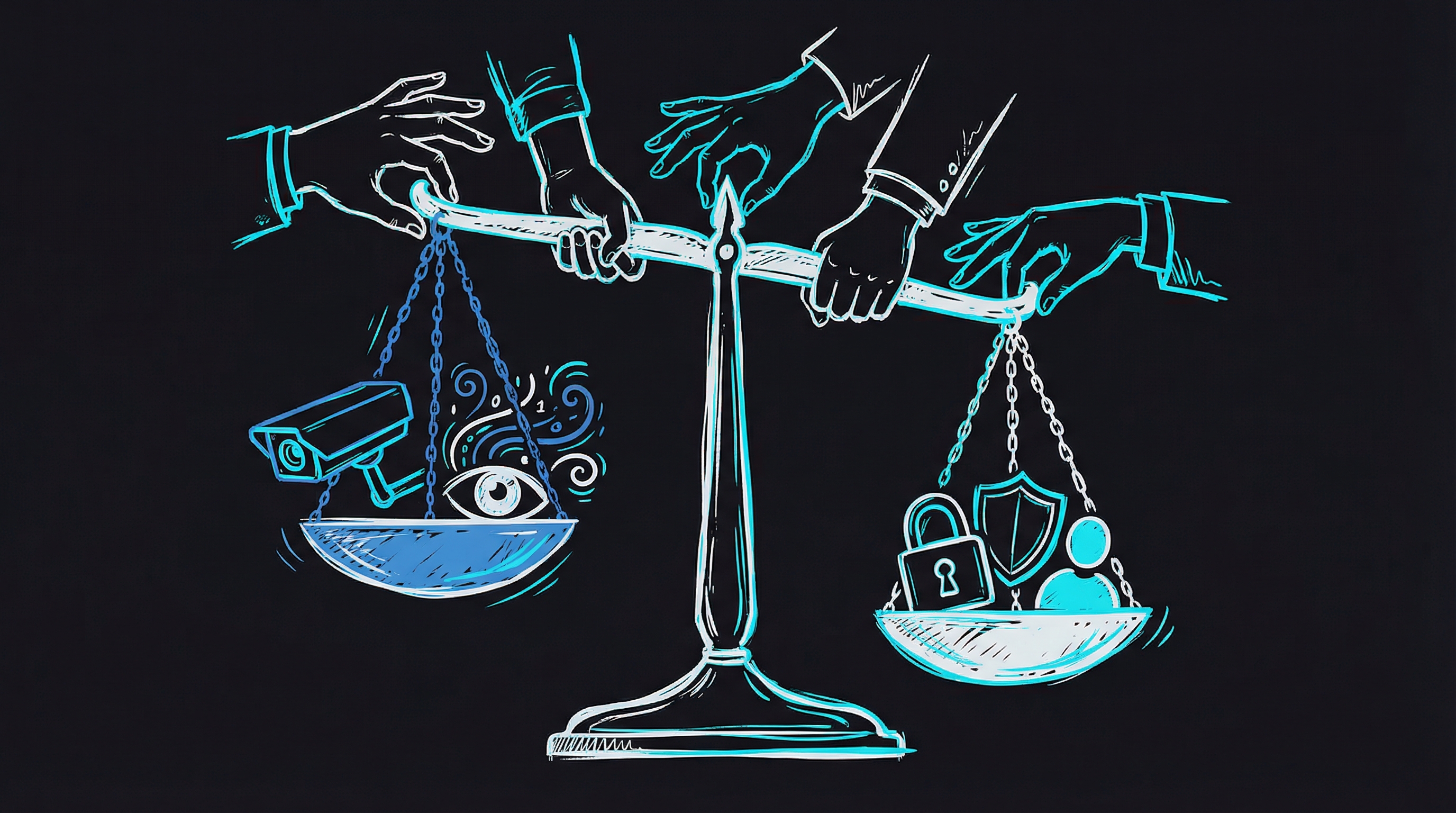
Section 230 turns 30 this week, and its protection of online intermediaries remains as vital as ever. The simultaneous push to weaken it while AI models like Opus 4.6 demonstrate the ability to find decades-old zero-days creates a paradox: we need platforms to be able to respond quickly to security disclosures without the chilling effect of unlimited liability for user content.
On the civil liberties front, ICE and CBP’s unchecked use of facial recognition technology — 100,000 scans and counting — shows exactly why biometric surveillance bans matter. The “ICE Out of Our Faces Act” is a direct response, and EFF’s support signals this isn’t a fringe concern.
The iPhone Lockdown Mode story is a practical win for individual security. When the FBI’s forensic team simply cannot extract data from a locked-down device, that’s proof the feature works as advertised. Worth enabling if you haven’t already.
Featured Articles
1. Weakening Section 230 Would Chill Online Speech
Op-ed: Weakening Section 230 Would Chill Online Speech
As Section 230 turns 30, EFF argues in the Daily Journal that weakening this foundational law would have devastating consequences for free expression online. Without intermediary protections, platforms would face impossible choices between removing all user content or accepting unlimited legal liability — neither of which serves users.
2. LLMs Finding and Exploiting Zero-Days at Unprecedented Speed
LLMs are Getting a Lot Better and Faster at Finding and Exploiting Zero-Days
Claude Opus 4.6 found high-severity vulnerabilities in some of the most well-tested codebases — bugs that went undetected for decades despite millions of hours of fuzzer CPU time. Unlike traditional fuzzers that throw random inputs at code, the AI reads and reasons about code the way a human researcher would, spotting patterns and understanding logic well enough to craft precise exploits.
3. iPhone Lockdown Mode Blocks FBI Forensic Extraction
iPhone Lockdown Mode Protects Washington Post Reporter
Court records from the FBI’s raid on Washington Post reporter Hannah Natanson’s home reveal that the Bureau’s Computer Analysis Response Team could not extract data from her iPhone because Lockdown Mode was enabled. A rare real-world confirmation that Apple’s security feature works against government-level forensic tools.
4. EFF Backs “ICE Out of Our Faces Act” to Ban Biometric Surveillance
Yes to the “ICE Out of Our Faces Act”
ICE and CBP have scanned faces of suspected undocumented people over 100,000 times, with at least one confirmed misidentification. This new federal bill, led by Senator Ed Markey, would ban these agencies from acquiring or using biometric surveillance systems entirely — enforceable through a private right of action.
5. Chinese State Hackers Backdoor Notepad++ Update Infrastructure
Hackers associated with the Chinese government compromised Notepad++’s update infrastructure, delivering malware to targeted users through Trojaned updates. The attackers maintained access to internal services for months after initial discovery. Users should ensure they’re running at least version 8.9.1.
6. Protecting the Right to Sue Federal Agents Who Violate the Constitution
Protecting Our Right to Sue Federal Agents Who Violate the Constitution
EFF highlights a critical gap in accountability: while a 1871 statute allows lawsuits against state and local officials who violate constitutional rights, no comparable statute exists for federal agents. With ICE and CBP agents routinely violating First Amendment rights — including the right to record on-duty police — EFF supports California S.B. 747 and similar legislation to close this gap.
7. Smart AI Policy Requires Examining Real Harms and Benefits
Smart AI Policy Means Examining Its Real Harms and Benefits
EFF calls for balanced AI regulation that acknowledges both genuine harms — automated bias in housing, employment, and education decisions — and real benefits like scientific research and accessibility improvements. The piece warns against letting hype drive policy, arguing that useful applications of machine learning shouldn’t justify blanket acceptance of all AI marketing claims.
8. Tor Browser 16.0a2 Drops the ESR Safety Net
Tor Browser 16.0a2 Drops the ESR Safety Net
Tor Browser 16.0a2 arrives with a Firefox 147 base, OpenSSL 3.5.5 security patches, and marks a significant architectural shift away from the Extended Support Release track. This is the first glimpse of Tor Browser’s post-ESR future, with implications for both security and feature parity with mainstream Firefox.
9. US Declassifies JUMPSEAT Spy Satellite Program
US Declassifies Information on JUMPSEAT Spy Satellites
The National Reconnaissance Office has declassified information about a fleet of spy satellites operating between 1971 and 2006. As Schneier notes, a declassification only two decades after decommission is notably prompt by intelligence community standards — offering insight into Cold War-era signals intelligence capabilities.
Weekly Privacy Insights is a curated digest of the most important privacy and digital rights news, published every Sunday on djeditech.com.
AIL-3 | AI Transparency: This digest is AI-assisted. Articles are aggregated from RSS feeds, ranked by source authority, and summarized using a local LLM (Ollama). All content is human-curated and reviewed before publication. Original reporting belongs to the linked authors and publications.