Table of Contents
Weekly Privacy Insights
This week’s privacy insights cover a range of topics from biometric surveillance to AI policy and government transparency. We dive into the most significant stories and provide context for the rest.
Weekly Analysis / My Opinion
The past week has seen a mix of concerning developments in biometric surveillance, government transparency, and AI policy. On the one hand, we’ve seen efforts to restrict the use of face recognition technology by immigration agencies, which is a step in the right direction. However, the increasing reliance on AI-powered tools raises concerns about bias, accountability, and transparency.
The US government’s decision to declassify information on JUMPSEAT spy satellites is a welcome move towards greater transparency. Nevertheless, it highlights the need for more robust oversight mechanisms to ensure that surveillance activities are proportionate and respect human rights.
Microsoft’s decision to provide BitLocker keys to the FBI raises questions about user data security and the potential for law enforcement overreach. While convenience may be a factor in storing keys on Microsoft servers, users should be aware of the risks involved.
Featured Articles
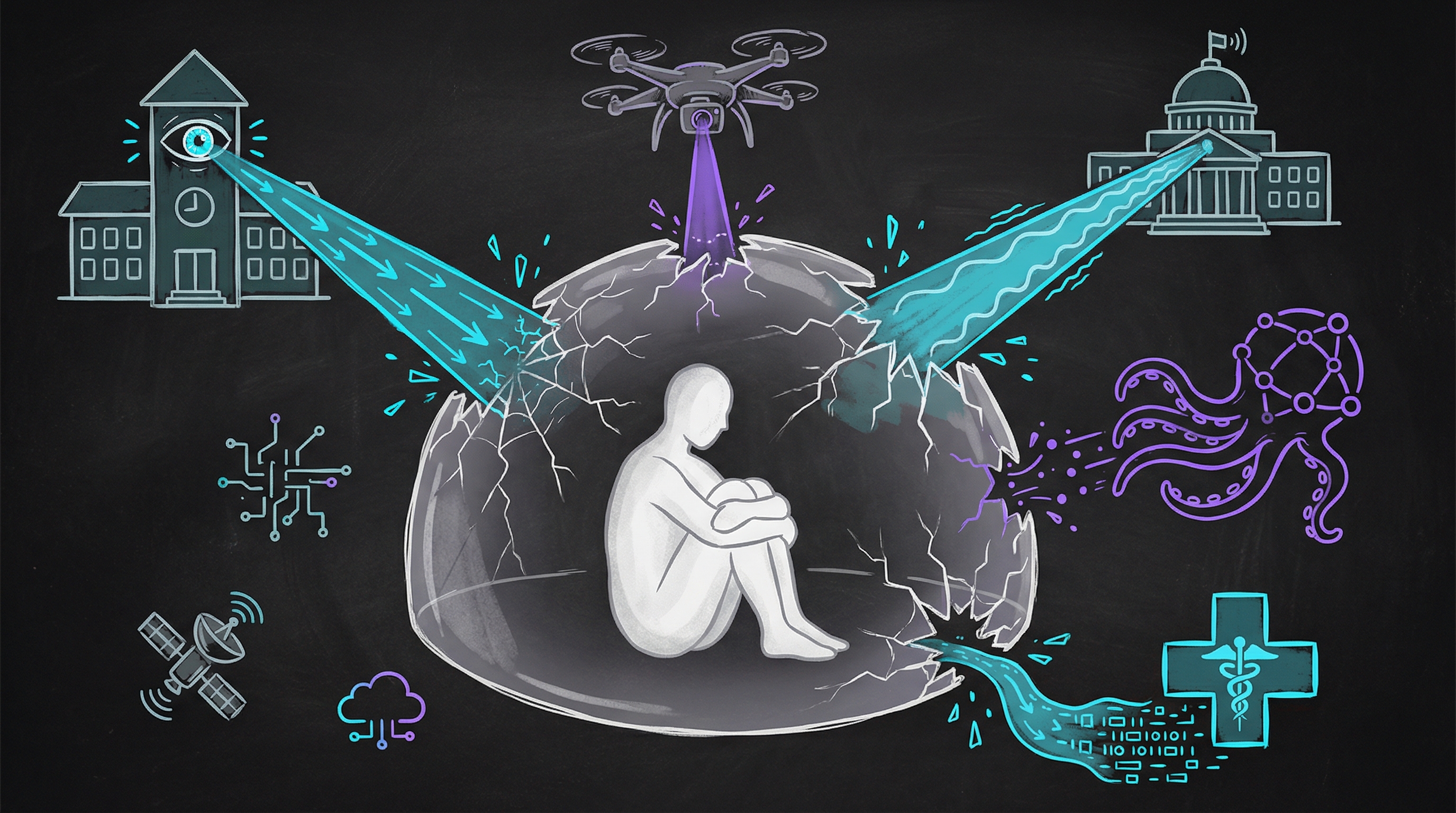
Yes to the “ICE Out of Our Faces Act” The “ICE Out of Our Faces Act” aims to ban ICE and CBP agents from acquiring or using biometric surveillance systems, including face recognition technology. This bill is a crucial step towards restricting the use of abusive surveillance technologies. Read more
Protecting Our Right to Sue Federal Agents Who Violate the Constitution EFF supports new statutes to fill the gap in the rule of law, allowing civilians to sue federal agents for damages when they violate their constitutional rights. Read more
US Declassifies Information on JUMPSEAT Spy Satellites The declassification of information on JUMPSEAT spy satellites is a welcome move towards greater transparency, but it highlights the need for more robust oversight mechanisms to ensure that surveillance activities are proportionate and respect human rights. Read more
Microsoft is Giving the FBI BitLocker Keys Microsoft’s decision to provide BitLocker keys to the FBI raises questions about user data security and the potential for law enforcement overreach. Read more
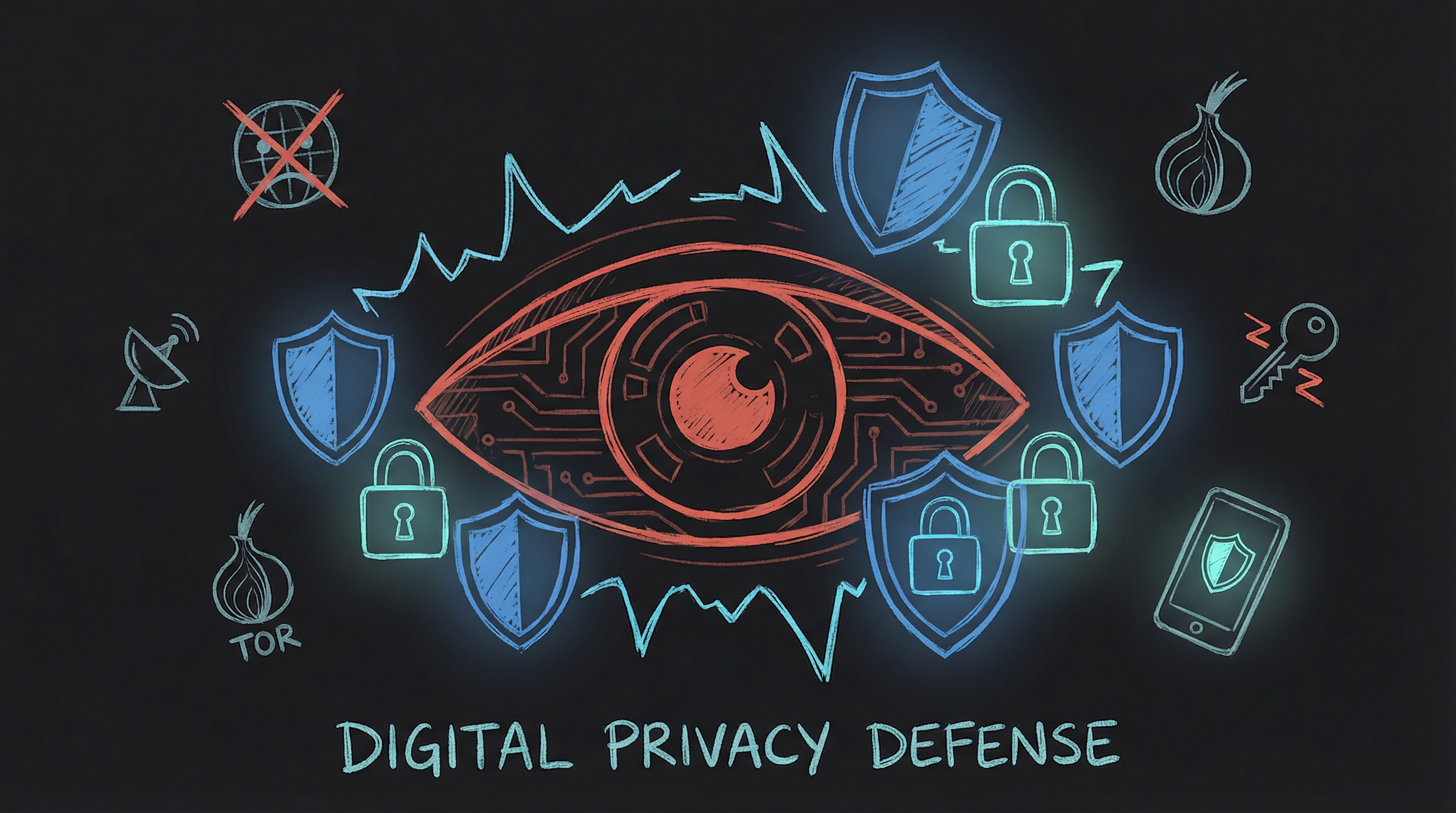
Tor Browser 16.0a2 Drops the ESR Safety Net Tor Browser 16.0a2 lands with a Firefox 147 base, OpenSSL 3.5.5 security patches, and the first glimpse of life after ESR. Read more
Additional Highlights
Backdoor in Notepad++ — Hackers associated with the Chinese government used a Trojaned version of Notepad++ to deliver malware to selected users. Make sure you’re running at least version 8.9.1. Read more
Smart AI Policy Means Examining Its Real Harms and Benefits — The phrase “artificial intelligence” has been around for a long time, covering everything from computers with “brains” to the autocomplete function that too often has you sending emails to the wrong person. Read more
iPhone Lockdown Mode Protects Washington Post Reporter — The FBI could not access a reporter’s iPhone because it had Lockdown Mode enabled, providing rare insight into the apparent effectiveness of Lockdown Mode. Read more
Europol Raids X Over Crimes That Don’t Exist — A Macron loyalist filed a complaint because he didn’t like X’s algorithm, and now Europol is calling it a child exploitation investigation. Read more
This week’s privacy insights highlight the need for greater transparency, accountability, and oversight in government surveillance activities. The increasing reliance on AI-powered tools raises concerns about bias, accountability, and transparency. Users should be aware of the risks involved in storing BitLocker keys on Microsoft servers.