Table of Contents
Weekly Privacy Insights
As we close the year 2025, several key privacy battles and surveillance issues have come into sharp focus, from the rise of massive darknet markets operating on Telegram to intensifying fights against invasive age-verification laws and surveillance abuses by private contractors. This week’s reports highlight the ongoing threat of digital black markets fueling cybercrime, the expansion of government and corporate surveillance, judicial pushback against internet censorship, and persistent risks related to copyright enforcement strategies that could undermine internet access for many.
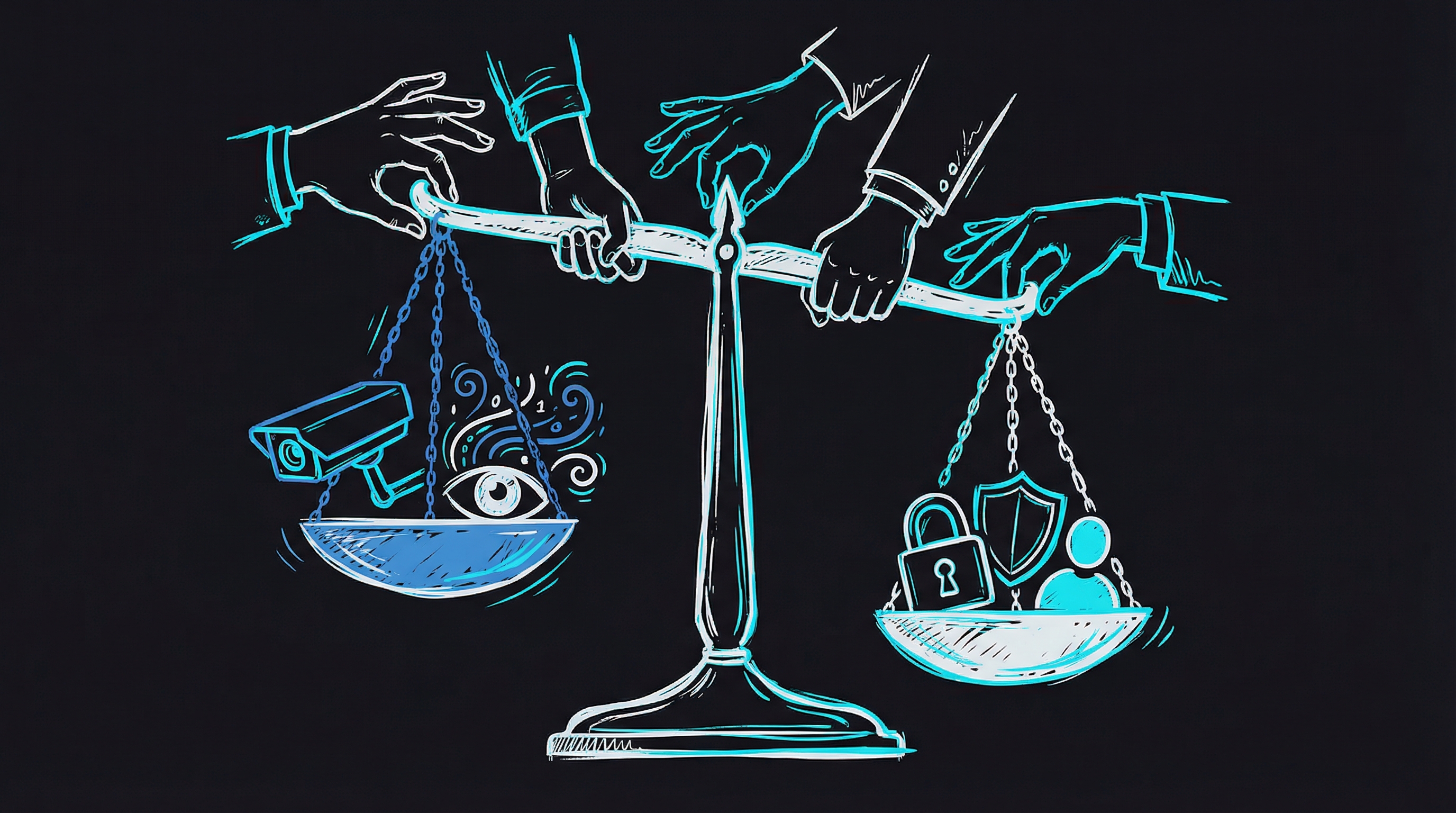
Weekly Analysis / My Opinion The privacy landscape remains fraught with tension between security interests, corporate practices, and individual rights. The explosive growth of Chinese-language darknet markets on Telegram underscores how encrypted platforms can facilitate multi-billion-dollar criminal enterprises, contributing to profound harms including human trafficking and large-scale scams. Meanwhile, surveillance technologies like Flock Safety’s AI-enabled cameras continue to expand unregulated, endangering the privacy of everyday citizens and activists alike. In parallel, the fight against state and federal age verification and site-blocking laws reveals an urgent need to uphold free speech and privacy online. While these laws are often justified as protective measures, they are instead proving to increase censorship, degrade anonymity, and create barriers to digital access. Similarly, the legal battles over whether Internet Service Providers (ISPs) must police copyright infringement threaten to turn essential connectivity providers into gatekeepers, risking the disruption of internet access to schools, libraries, and vulnerable users.
For readers, this landscape demands vigilance and proactive defense of digital rights: be skeptical of intrusive surveillance products, support judicial and legislative pushes that guard privacy and free speech, and stay informed on technological safeguards such as encryption and digital footprint management. Advocacy and digital literacy will remain key tools to push back against harmful surveillance and legislative overreach in 2026.
Featured Articles
Telegram Hosting World’s Largest Darknet Market A recent analysis by Elliptic reveals Telegram hosts the world’s largest Chinese-speaking darknet marketplaces, Tudou Guarantee and Xinbi Guarantee, facilitating close to $2 billion per month in illicit transactions, including money laundering, stolen data sales, and AI deepfake tools. The scale and diversity of crime enabled—including cyber scams linked to massive human trafficking operations—highlight a growing challenge in combating encrypted platform abuse. Read more
EFF’s Investigations Expose Flock Safety’s Surveillance Abuses The Electronic Frontier Foundation’s investigations into Flock Safety’s AI-powered license plate readers and surveillance cameras uncovered extensive misuse by law enforcement, targeting protesters, minority groups, and women seeking healthcare. These findings reveal how such surveillance tools facilitate mass tracking and undermine constitutional rights, fueling advocacy for stronger oversight and privacy protections. Read more
The Year States Chose Surveillance Over Safety: 2025 in Review 2025 saw a major surge in state laws mandating invasive age-verification for adult content and social media access, risking censorship and privacy violations. Courts have blocked many such laws, and the EFF launched comprehensive resources to fight these measures and educate the public on their harms, advocating instead for privacy-preserving approaches to online safety. Read more
Congress’s Crusade to Age Gate the Internet: 2025 in Review At the federal level, lawmakers introduced nearly twenty proposals aiming to impose universal age-verification checks online. Efforts like the controversial Kids Online Safety Act suffered setbacks due to strong opposition from civil liberties groups, illustrating the ongoing battle to prevent governmental overreach and censorship under the guise of protecting children. Read more
Fighting Renewed Attempts to Make ISPs Copyright Cops: 2025 in Review The Supreme Court is weighing whether Internet Service Providers should be liable for their subscribers’ copyright infringements, a decision with massive implications. Supporting the “material contribution” liability standard would pressure ISPs to disconnect users preemptively, threatening internet access for families, schools, and libraries, highlighting the urgent need for measured copyright enforcement that safeguards connectivity and privacy. Read more
Additional Highlights
- LinkedIn Job Scams: Scammers exploit LinkedIn worldwide through fake job offers and credential phishes, preying on economic desperation across different countries. Read more
- Site Blocking Laws Will Always Be a Bad Idea: The return of dangerous site-blocking legislation echoes past failed bills like SOPA/PIPA. These efforts threaten internet freedom and have not addressed prior criticisms. Read more
- States Tried to Censor Kids Online. Courts, and EFF, Mostly Stopped Them: Multiple state laws restricting minors’ access to social media faced constitutional challenges backed by EFF and partners, defending youth speech rights and privacy. Read more
- Surveillance Self-Defense: 2025 Year in Review: EFF updated and expanded guides empowering users to protect their privacy against surveillance, with new resources on encryption, phone privacy, and digital footprint management. Read more
- Friday Squid Blogging: Squid Found in Light Fixture: A lighter, offbeat post inviting discussion on diverse security stories and community moderation. Read more
Privacy battles in 2026 will likely intensify as emerging technologies and legislative actions test the limits of digital rights and surveillance. Staying informed, advocating for strong privacy protections, and demanding transparency and accountability from both governments and corporations remain critical. We encourage readers to explore the linked resources, support rights organizations, and take practical steps to safeguard their digital autonomy in the coming year.