Table of Contents
Previously: Your Website’s F Security Grade Is Costing You Jobs
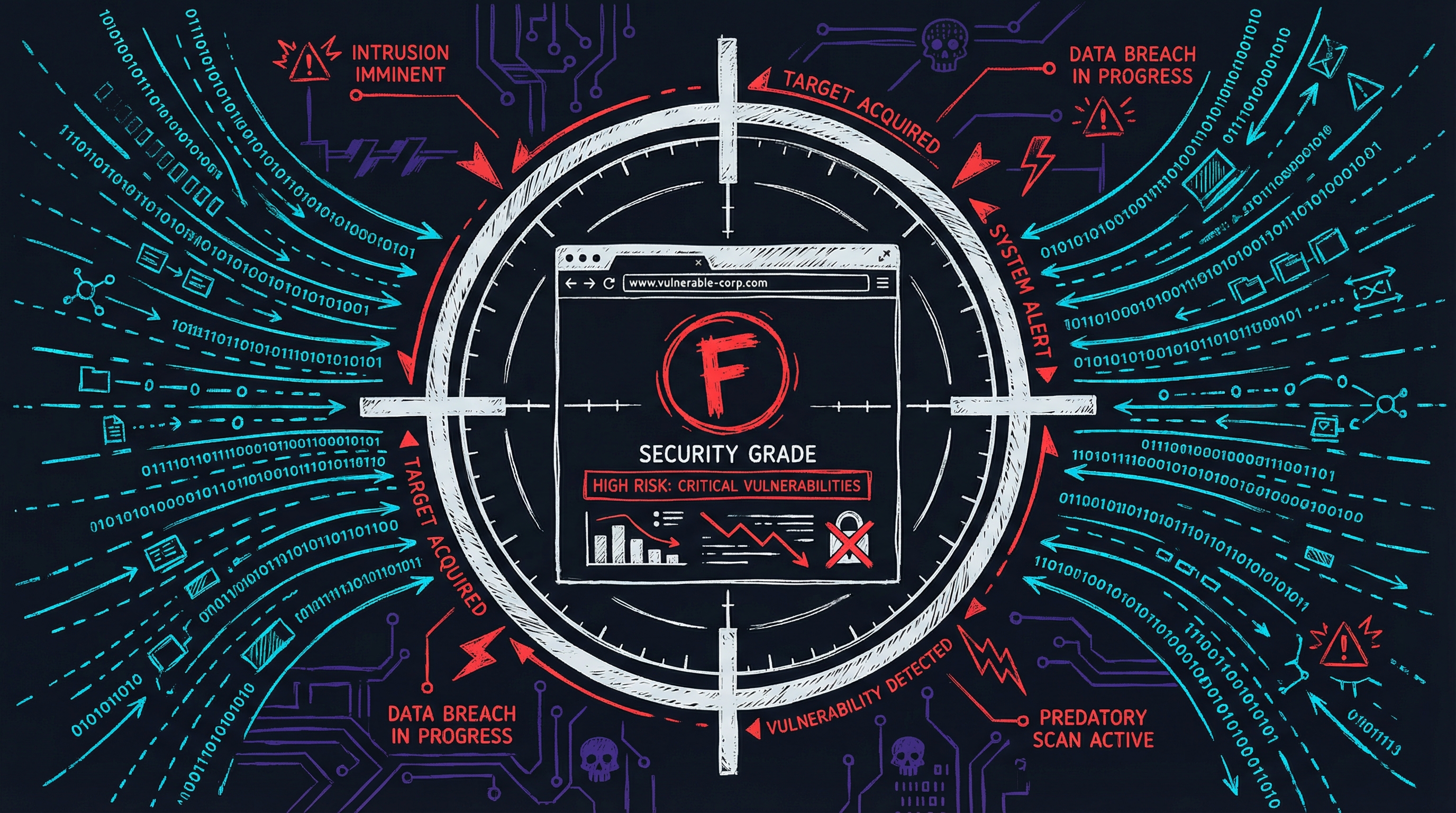
An F-grade website isn’t just a conversion problem. It’s a target.
Contractor websites are increasingly attractive to hackers because:
- You have customer data (names, addresses, phone numbers)
- You handle money (payment processing, invoicing)
- You’re busy (unlikely to notice compromises quickly)
- You’re not tech-savvy (easier to exploit)
When a hacker scans contractor websites looking for vulnerabilities, they start with F-grade sites. Those missing security headers are specific technical weaknesses they can exploit.
Real example: Roofing contractor in Florida had their website compromised in 2023. Hackers inserted malicious code that stole customer payment information submitted through their “Request a Quote” form. 47 customers affected before it was discovered. $125,000 in legal fees, lost business, and reputation damage.
Their security grade before the attack? F.
The Insurance Company Question You Haven’t Thought About
More cyber insurance providers are starting to ask about website security as part of their underwriting process. Some are even requiring minimum security standards for coverage.
If your website has an F security grade, you might face:
- Higher cyber insurance premiums
- Reduced coverage limits
- Outright denial of coverage
- Exclusions for website-related breaches
The F grade isn’t just costing you conversions today. It might be a liability tomorrow when you actually need protection.
What The Hell Is A Security Header Anyway?
You don’t need to become a security expert. But understanding the basics helps you ask the right questions when you fix this.
Security headers are instructions your website sends to browsers telling them how to handle your content safely. Think of them like building codes for websites.
The most critical ones:
- Content Security Policy (CSP) - Prevents hackers from injecting malicious code
- X-Frame-Options - Stops your site from being embedded in scam sites
- X-Content-Type-Options - Prevents browsers from misinterpreting file types
- Strict-Transport-Security - Enforces HTTPS connections
- Referrer-Policy - Controls what information your site shares with third parties
Missing these headers = F grade = security vulnerabilities + trust problems.
The Browser Warning That’s Killing Your Conversions
Pull up your website on Chrome. Open your contact form. Look at the address bar.
If you see “Not Secure” instead of a padlock icon, congratulations—you just identified the exact moment 60-80% of your potential leads decide to hit the back button.
The psychology:
- User searches for contractor
- Finds your site, likes what they see
- Goes to submit contact form
- Browser warns them “Not Secure”
- Subconscious alarm: “This doesn’t feel safe”
- Back button → competitor’s site with the green padlock
You never knew they were there. Google Analytics shows the visit. But there’s no conversion, no lead, no explanation why.
The F security grade is the silent conversion killer in your marketing funnel.
Ready To Fix This?
The good news: fixing an F-grade security score doesn’t require becoming a cybersecurity expert or rebuilding your website from scratch. Most contractors can move from F to A in a few hours with the right guidance.
I help contractors fix their security posture as part of comprehensive automation engagements.
If you’re already thinking about streamlining your operations—faster quotes, automated follow-ups, better customer communication—we can fix your security grade at the same time. One project, one timeline.
Book a 20-minute Strategy Call — we’ll review your current security grade, identify the gaps, and map out what it takes to fix them alongside any automation opportunities.
No obligation. Just a clear picture of where you stand and what’s possible.
The contractors who ignore their F security grade aren’t just losing conversions today. They’re training customers in your market to expect secure sites from professional contractors. Every competitor who fixes their grade raises the baseline your prospects expect.