Table of Contents
The Invoice You Sent 47 Days Ago Is Still Unpaid
Why you’re stuck choosing between awkward and broke
Friday Afternoon, 4:47 PM
You’re wrapping up the Henderson roofing job when you check your bank balance. Your stomach drops.
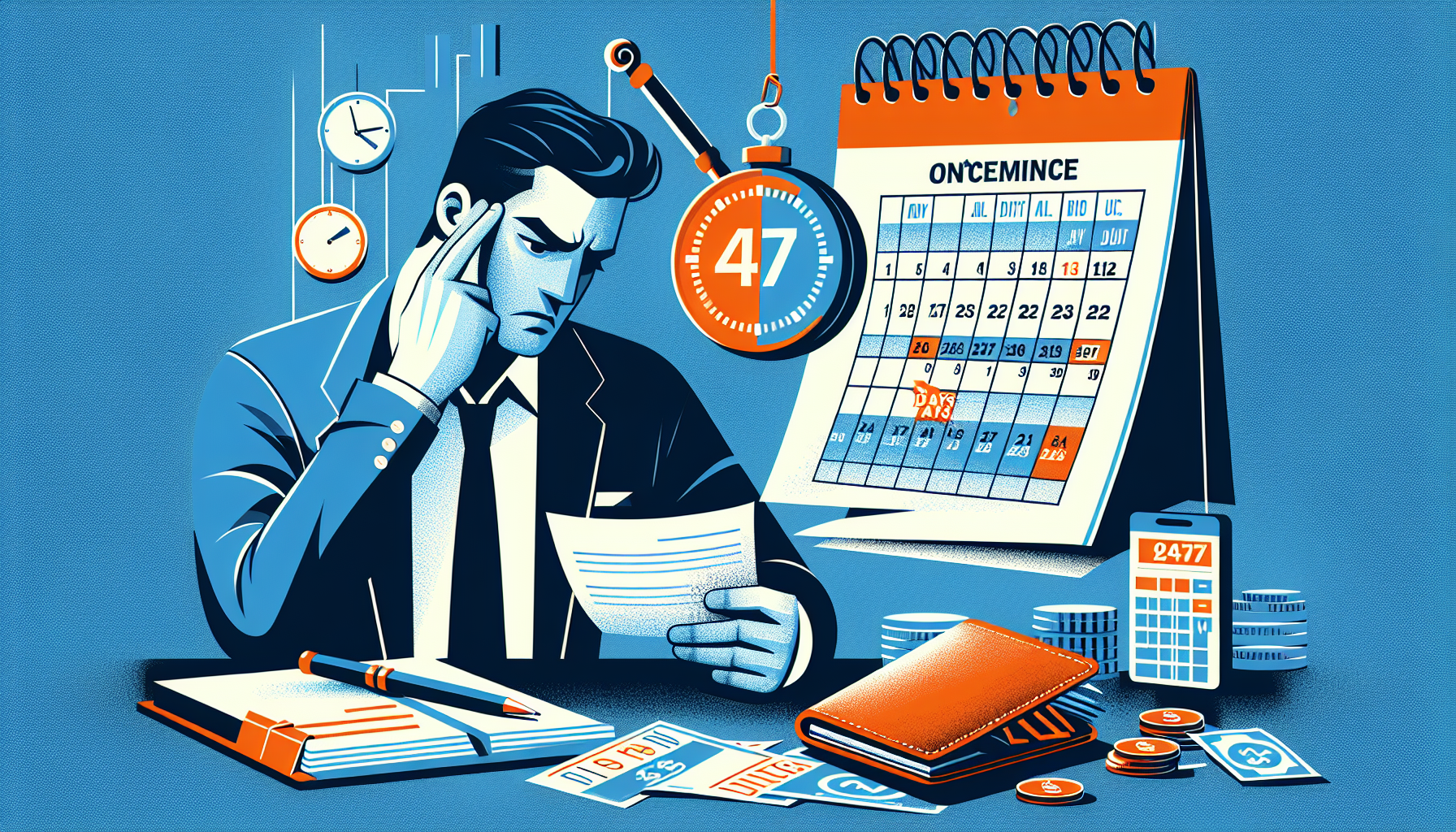
The Martinez invoice - $8,400 for work completed 47 days ago - still hasn’t been paid.
You text Mrs. Martinez: “Hey, just following up on invoice #2847…” You try to sound friendly, not desperate. Even though you need that money to cover payroll Tuesday.
She responds three hours later: “Oh! I totally forgot. I’ll send it Monday.”
Monday comes. Nothing.
You send another text Wednesday. She doesn’t respond this time.
Now it’s been 53 days. You’re considering whether to show up at their house or just write it off and take the loss.
Sound familiar?
The $127,000 Invisible Tax on “Being Too Nice”
Here’s what slow payments actually cost your business:
Direct Costs:
- $8,400 × 3 slow-pay clients = $25,200 tied up in unpaid invoices
- Interest on business line of credit covering gaps: $2,100/year
- Time chasing payments (6 hours/week × $150/hr): $46,800/year
Hidden Costs:
- Materials you can’t buy because cash is tied up in receivables
- Jobs you can’t take because you can’t front the costs
- The premium rates you’re NOT charging because you need quick-pay customers
- Sleep lost worrying about Friday payroll when Monday’s payment hasn’t arrived
Total annual cost of manual payment collection: $74,000-$127,000 for a typical small contractor.
And that’s before you factor in the relationships damaged by awkward “hey, where’s my money?” conversations.
What’s Really Happening (And Why It’s Not Your Fault)
Clients don’t wake up thinking “How can I screw over my contractor today?”
They forget. Life gets busy. The invoice gets buried in email. They meant to pay it, then…didn’t.
The problem isn’t them. It’s your payment system.
When you send an invoice and hope they remember to pay, you’ve made their forgetfulness YOUR cash flow problem.
The Real Cost: Choosing Between Awkward and Broke
Every contractor faces this choice eventually:
Option A: Chase the money
- Send uncomfortable “just following up” texts
- Make awkward phone calls that damage relationships
- Show up at job sites feeling like a bill collector
- Risk looking desperate or unprofessional
Option B: Let it slide
- Hope they remember eventually
- Watch cash flow dry up as invoices age
- Cover costs from your personal savings
- Eventually write off thousands in “bad debt”
Neither option builds the business you want.
Two Contractors, Same Invoice, Different Results
Contractor A: Manual Collection
- Day 30: Sends “friendly reminder” email (10 minutes)
- Day 37: Texts client asking about payment (15 minutes worrying about tone)
- Day 45: Phone call - gets voicemail (another 20 minutes drafting message)
- Day 52: Considers driving to their house
- Day 60: Finally gets paid after awkward in-person visit
Result: 5+ hours wasted, relationship strained, cash flow chaos
Contractor B: Automated Payment System
- Day 0: Invoice sent with payment link (one click to pay)
- Day 7: Automatic friendly reminder with payment link
- Day 14: Second reminder highlighting easy payment options
- Day 21: Firmer automated notice with late fee policy
- Day 30: Paid - never had to think about it once
Result: Zero hours wasted, professional impression, predictable cash flow
The difference isn’t luck. It’s systems.
Next: How Smart Contractors Stopped Playing Bill Collector - The automation that turns 47-day payments into 18-day payments.
P.S. - Ready to stop choosing between awkward and broke? Book a 60-minute Strategy Session where we’ll map your current payment timeline and design an automation system that collects for you. $150, credited toward implementation.
AIL-3 | AI Transparency: This article was drafted with AI assistance and reviewed, edited, and approved by the author. All recommendations are based on 20 years of experience in the roofing and construction industry.